


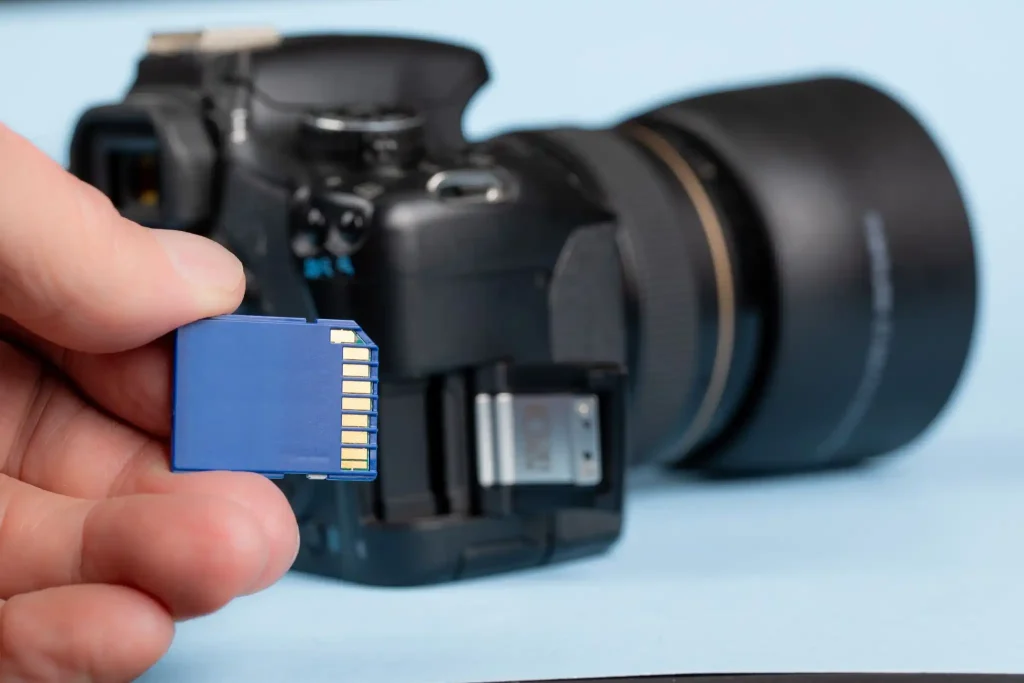
Memory card speed becomes critical the moment a shoot turns unpredictable. On real assignments, delays, buffer lockups, and inconsistent write speed quickly translate into missed frames. Experienced photographers already know the basics, but optimization is where reliability is won. This guide focuses on how memory card speed actually behaves in demanding shooting environments.
Understanding Memory Card Speed Ratings
Manufacturers advertise impressive numbers, but these rarely reflect sustained real-world performance. Maximum speed ratings are often achieved under ideal lab conditions, not continuous shooting. What matters in practice is how consistently a card maintains write speed under load. Understanding this distinction helps photographers avoid cards that look fast but slow down mid-session.
Write Speed vs Read Speed Explained
Write speed directly impacts capture reliability during a shoot. Slow write speed fills buffers faster, causing camera slowdown at critical moments. Read speed mainly affects transfer times after the shoot, not capture performance. For working photographers, prioritizing sustained write speed delivers more tangible benefits than chasing high read numbers.
How Speed Affects Camera Performance
Memory card speed only improves camera performance up to the body’s technical limits. Once the camera’s processor or buffer becomes the bottleneck, faster cards offer diminishing returns. Knowing your camera’s write ceiling prevents overspending on unnecessary speed. Performance optimization comes from matching card capabilities to camera architecture.
Buffer Clearing and Continuous Shooting
Fast sustained write speed clears buffers quickly after long bursts. This matters most in sports, wildlife, and action-heavy environments. Slow buffer clearing creates hesitation that costs shots under pressure. Real-world performance often depends more on consistency than headline speed ratings.
High-Resolution and RAW Workflows
Large RAW files place heavy demands on write speed, especially during extended sessions. Uncompressed RAW formats magnify this pressure further. Inconsistent cards may start strong but throttle after repeated writes. Reliable performance ensures smooth shooting when file sizes and volume increase.
Memory Card Speed Classes That Matter
Speed classes like UHS-I, UHS-II, and CFexpress vary widely in practical benefit. UHS-II offers meaningful improvements for high-burst stills and large RAW files. CFexpress excels in sustained throughput but only shines when the camera supports it fully. Choosing the right class avoids paying for performance you cannot access.
Matching Card Speed to Shooting Style
Optimizing memory card speed starts with understanding how you actually shoot. Not every scenario benefits from extreme speeds. Practical alignment prevents wasted investment and improves workflow reliability. The best choice supports your shooting rhythm, not marketing claims.
Event and Wedding Photography
Event work demands long sessions with consistent performance. Sustained write speed matters more than short bursts of peak speed. Cards must remain stable across hours of continuous use. Professionals prioritize reliability and redundancy over chasing the fastest numbers.
Sports and Wildlife Photography
High burst rates and unpredictable moments demand rapid buffer recovery. Faster write speed reduces downtime between sequences. In these environments, speed directly affects capture success. Choosing cards with proven sustained performance minimizes missed opportunities.
Studio and Controlled Shoots
Controlled environments reduce pressure on the memory card speed. Extreme write performance often offers minimal advantage here. Workflow efficiency and reliability matter more than peak throughput. Cost-effective cards with stable performance are usually sufficient.
Storage Reliability Beyond Speed
Speed alone does not guarantee data safety. Faster cards are not automatically more reliable. Build quality, controller design, and thermal management all affect long-term stability. Professionals should evaluate cards as storage tools, not just performance components.
Heat, Wear, and Long Sessions
Sustained writing generates heat that degrades performance over time. Lower-quality cards may throttle or fail during long shoots. Heat management becomes critical in outdoor or high-volume scenarios. Trusted brands and conservative usage extend card lifespan.
Error Rates and Data Integrity
Data corruption often results from unstable write behavior, not outright failure. Cards that maintain consistent speed reduce error risk. Recovery options are limited once corruption occurs. Reliability-focused selection protects irreplaceable files.
Real-World Speed Testing Insights
Independent benchmarks often reveal sharp drops between peak and sustained speed. These drops matter more than advertised maximums. Photographers should look for long-duration write tests. Consistent performance under load predicts real-world reliability.
Avoiding Common Memory Card Speed Mistakes
Many experienced shooters still overestimate their card requirements. Using outdated cards, mismatching speed classes, or relying on marketing labels causes bottlenecks. Regular testing and rotation reduce risk. Smart management prevents avoidable failures.
Cost vs Performance Decision Framework
Higher speed increases cost rapidly with diminishing benefits. The goal is to eliminate performance limits, not maximize numbers. Evaluate whether speed improves capture reliability or workflow efficiency. Purpose-driven spending delivers better long-term value.
Building a Reliable Card Strategy
Professionals rely on systems, not single cards. Rotation schedules, clear labeling, and early retirement reduce failure risk. Multiple moderate-capacity cards often outperform one oversized option. Strategy ensures consistency across every shoot.
Final Thoughts on Memory Card Speed
Memory card speed, write speed, camera performance, and storage reliability work together. Optimized selection improves consistency rather than raw speed. Real-world reliability defines professional results. Smart choices protect moments that cannot be recreated. Experienced photographers treat cards as mission-critical tools, testing them regularly, replacing them early, and prioritizing predictable performance over headline specifications.
FAQs
1. What memory card speed is best for professional photography?
The best memory card speed depends on your camera and shooting style. Prioritize sustained write speed that matches your camera’s buffer limits to ensure reliable performance during continuous shooting.
2. Does faster memory card speed improve camera performance?
Faster memory card speed improves performance only up to the camera’s processing limit. Beyond that point, higher speeds provide minimal benefit and do not increase burst depth or buffer size.
3. Why is write speed more important than read speed?
Write speed controls how quickly images are saved during shooting. Slow write speed causes buffer delays, while read speed mainly affects file transfer after the shoot, not capture reliability.
4. Are expensive memory cards more reliable?
Higher-priced cards often offer better controllers and thermal management, but reliability depends on sustained performance and build quality. Choosing reputable brands with proven stability matters more than raw speed.
5. How often should photographers replace memory cards?
Professionals should replace cards after heavy use or every two to three years. Regular rotation and early replacement reduce failure risk and protect critical photo data during important assignments.