


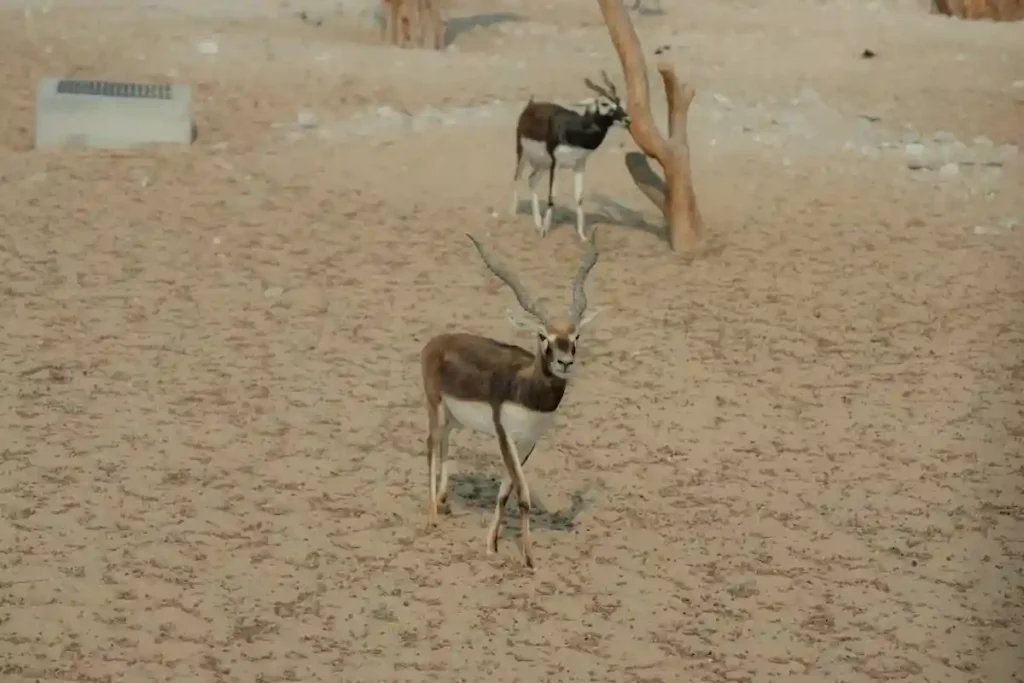
Creating an interactive advertisement for a public wildlife park requires more than eye-catching visuals—it must inspire curiosity, educate audiences, and encourage real-world visits. Wildlife parks appeal to families, students, tourists, and nature lovers, so your ad should balance entertainment with conservation messaging. An interactive approach helps audiences feel connected to wildlife before they even step inside the park.
Below are five effective tips to help you design an engaging and memorable interactive ad.
1. Tell a Compelling Story Through Visuals and Narratives
An interactive ad works best when it tells a story rather than simply promoting attractions. Highlight the journey of animals, conservation efforts, or behind-the-scenes care provided by park staff.
Use short videos, animated clips, or clickable elements that allow viewers to explore different habitats or animal stories. Story-driven content helps audiences emotionally connect with wildlife, making them more likely to engage, share, and visit the park.
2. Hire a Wildlife Photography Expert for Authentic Content
High-quality visuals are essential for credibility and emotional impact. Hiring a wildlife photography expert ensures your ad features authentic, professional-grade images and videos captured with respect for animals and their environment.
Wildlife photographers understand animal behaviour, lighting, and timing, resulting in powerful visuals that feel natural rather than staged. These visuals can be used in interactive galleries, 360-degree views, or “meet the animal” features, significantly increasing audience engagement and trust in your park’s mission.
3. Use Interactive Digital Elements to Boost Engagement
Interactive features such as quizzes, polls, virtual tours, and animal fact pop-ups can transform a passive ad into an immersive experience. For example, users can click on different animals to learn fun facts or conservation tips.
Augmented reality (AR) filters that place animals into real-world settings can also attract younger audiences. These elements make the ad memorable while educating viewers, encouraging them to spend more time engaging with your content.
4. Enhance Impact With Aerial Lighting & Electric Solutions
Lighting plays a crucial role in setting mood and highlighting key visuals in both physical and digital ads. Using professional aerial lighting & electric solutions allows you to capture dramatic aerial shots of the park, evening scenes, and special exhibits.
Proper lighting enhances colours, textures, and movement, making visuals more captivating and dynamic. Aerial lighting also enables stunning drone footage that showcases the scale and beauty of the wildlife park, adding depth and excitement to interactive ad campaigns.
5. Include Clear Calls to Action and Visitor Interaction Options
An interactive ad should guide viewers toward the next step. Include clear calls to action such as “Explore the Park,” “Book Tickets,” or “Meet the Animals.” Interactive buttons for event schedules, live feed previews, or educational resources encourage users to engage further.
Offering limited-time discounts or virtual sneak peeks can increase conversions. The easier it is for users to interact and act, the more effective your advertisement will be.
Conclusion
An interactive ad for a public wildlife park should educate, inspire, and invite audiences into the experience. By combining storytelling, professional visuals from a wildlife photography expert, engaging digital elements, enhanced visuals through aerial lighting & electric solutions, and clear calls to action, you can create a powerful and immersive advertisement. A well-designed interactive ad not only attracts visitors but also promotes conservation awareness and builds lasting connections with your audience.